
Patient Profile
-
Patient Name: Satyanarayana
-
Age/Gender: 49-year-old Male
-
Duration of Treatment: 8 Weeks (Home Care transitioning to Clinic)
-
Location: Banjara Hills, Hyderabad, India
What to Expect
How Our Team Treated an 18-Month Chronic Sciatic Pain Loop
Persistent nerve root compression causes chronic muscle guarding, restricted circulation, and heightened central sensitization. Once this pain loop takes hold, standard rest and pain medications often fail to provide lasting relief.
Our pain management protocol combines targeted vector electrotherapy with directional mechanical loading to desensitize irritated nerve roots, calm muscle spasms, and restore everyday movement.
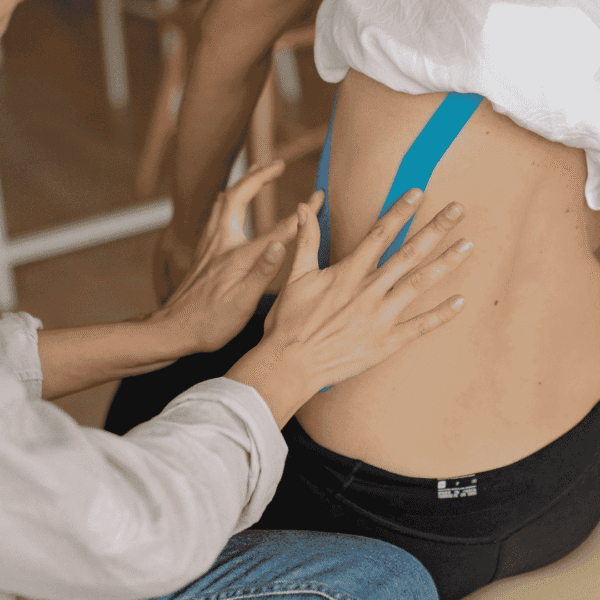

Long-standing neuropathic pain cannot be exercised away while the surrounding musculature remains locked in protective spasm. By using clinical modalities to quiet pain signals first, we create a safe therapeutic window to retrain spinal stabilizing muscles.
01. Medical Challenge
A 49-year-old corporate executive presented with an 18-month history of severe lower back pain radiating down his left glute, hamstring, and lateral calf. Multiple courses of oral analgesics had failed, and walking more than 100 meters triggered sharp neurogenic claudication.
- High pain intensity (VAS 9/10) with sharp neuropathic tingling
- Positive Straight Leg Raise (SLR) test restricted to 30° on the left limb
- Heavy daily reliance on NSAIDs causing gastrointestinal discomfort
- Severe functional disability impacting work and basic daily mobility
02. The Solutions
Our pain management team implemented a non-invasive neuromodulatory and spinal mechanical recovery program:
Vector Interferential Therapy (IFT)
Applied deep-penetrating 4000 Hz medium-frequency IFT to block nociceptive signaling at the spinal gate.
Directional Mechanical Loading
Utilized targeted extension-based McKenzie exercises to promote centralizing of disc material.
Core & Pelvic Stabilization
Retrained transverse abdominis and multifidus activation to relieve compressive shear on L5-S1.
In-Home Ergonomic Planning
Replaced unsupportive home seating and trained the patient in spine-sparing hip hinge movement patterns.
03. The Results
Straight Leg Raise improved from 30° to 75° pain-free; Oswestry Disability Index (ODI) dropped from 58% down to 8% with zero medication reliance. Chronic nerve pain traps the nervous system in protective fear. By dampening the pain signal with calibrated electrotherapy, we create the safety window needed to reload and heal the spine
